Can we accept shaming in politics? New Carlsberg-funded project investigates the issue
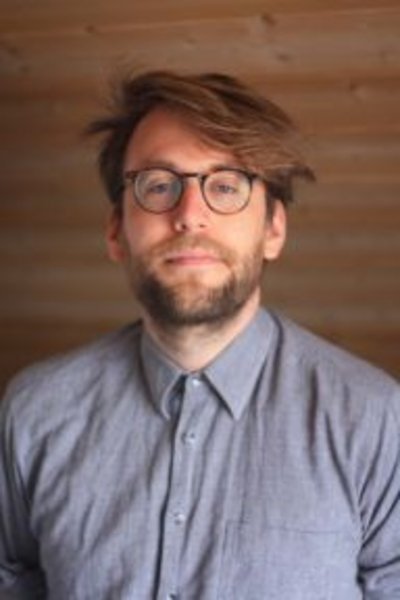
Associate Professor of Political Science Tobias Widmann has received a Semper Ardens Accelerate grant of DKK 6.8 million from the Carlsberg Foundation to study the use of shaming language in politics.
“It is difficult to understand how anyone with even a minimal sense of responsibility could support that policy.” You may have heard similar shaming statements from one politician directed at a political opponent from another party.
When political rhetoric relies on shaming, it can fuel hostility and increase tolerance for violence against political opponents, thereby threatening the shared norms on which democracy depends. With substantial funding from the Carlsberg Foundation, Tobias Widmann aims to contribute new insights into the growing problem of shaming language in political communication.
The five-year project, entitled “The Politics of Shaming and Shamelessness”, examines when and where shaming and shamelessness appear in politicians’ communication and investigates their impact on citizens’ perceptions of what counts as acceptable and unacceptable behaviour. In addition, the project tests new ways to counter the harmful effects of these practices.
More specifically, Tobias Widmann combines large-scale text analysis of political speeches and online debates with experiments and computer simulations of virtual communities. This approach makes it possible to trace how shaming and shamelessness spread, measure their effects on individuals, and test interventions that may help strengthen civility and democratic resilience.
Semper Ardens Accelerate grants from the Carlsberg Foundation are awarded to newly appointed tenured associate professors and enable them to consolidate an independent research group. Tobias Widmann’s grant amounts to DKK 6,758,398.
Another Carlsberg grant for political science
Associate Professor of Political Science Lars Thorup Larsen has also received funding from the Carlsberg Foundation. He has been awarded a Monograph Fellowship of DKK 1 million to write a book on how lay people understand expert knowledge and how they decide when to follow or ignore expert advice, for example in relation to diet or vaccines. The project is entitled “Have people stopped listening to science? How citizens gauge the authority of expert knowledge”.
Further information